Ranch Route
Bringing together America's ranchers, farmers and makers with the people who value their craft and their story.An authentic marketplace built on those stories.
How It Works
Two ways to connect
Whether you're looking to buy direct, or you're looking to reach new customers, Ranch Route makes the connection simple.
New here? See how Ranch Route works →For Buyers & Supporters
Find a Producer
The people behind what you love are right here. Find farm stays, tours and hands on experiences with real families across the country, hear their stories, and take their goods home with you.
Partners
Meet Our Partners
Real goods, real stories, real people
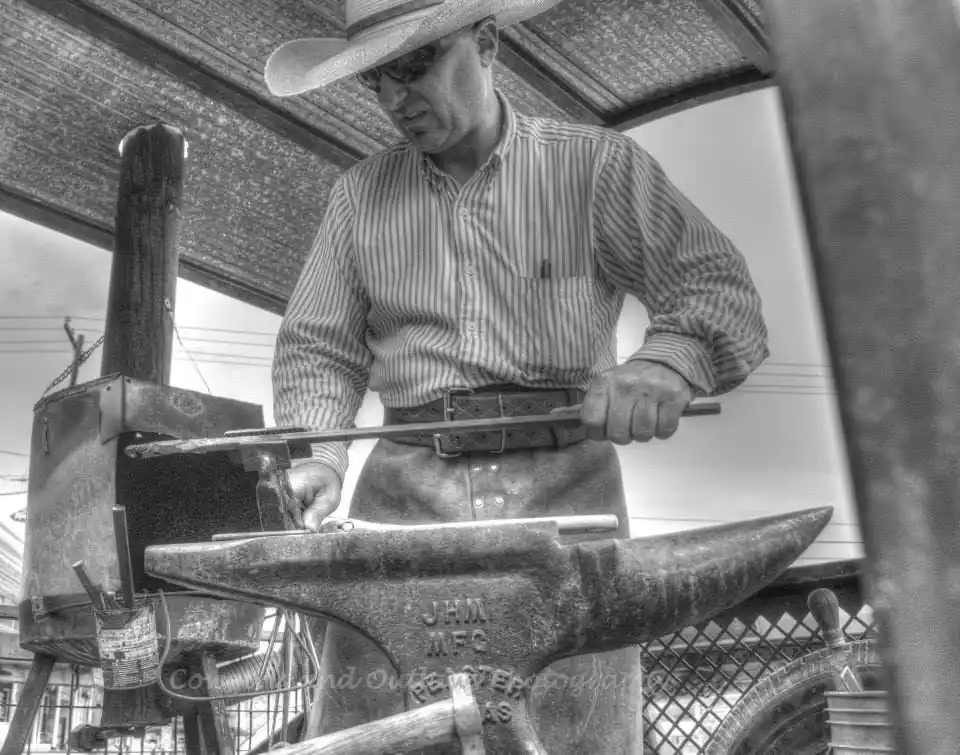
Cody Iron Works
Cody, Wyoming
N.J. Pawley comes from a long line of horse trainers. He apprenticed with the teacher at the local college, took the course twice, apprenticed with a couple more men, and became a farrier. That is where the blacksmithing starts. A farrier has to make his own shoes, and then his own tools, and once you are making your own tools you are a blacksmith whether you have called yourself one or not. Cody Iron Works is a one man blacksmith shop in Cody, Wyoming, where N.J. Pawley hand forges hat racks, knives, dinner bells and hardware over coal and propane fire. He has been forging full time since about 2008, in this shop for seven years, and has been on Etsy since roughly 2010. Ninety percent of the business is online and he recently passed his five thousandth order. Almost every tool in the shop he made himself. For years the shape of his life was training horses in the summer and blacksmithing through the winter. In summer, when Cody hits a hundred and six degrees, he forges in the middle of the night. Every finished piece gets linseed oil, originally flaxseed, a protective coating smiths have used since at least the Middle Ages. It goes on hot and it smokes, and he admits it is dramatic. He is explicit that he does not sell out of the shop and does not want walk in retail traffic, for tax and licensing reasons. He teaches, but only two students at a time, because in a room where a set of tongs left in the rack is still hot enough to take skin off, two is what one man can watch.
Read their story →
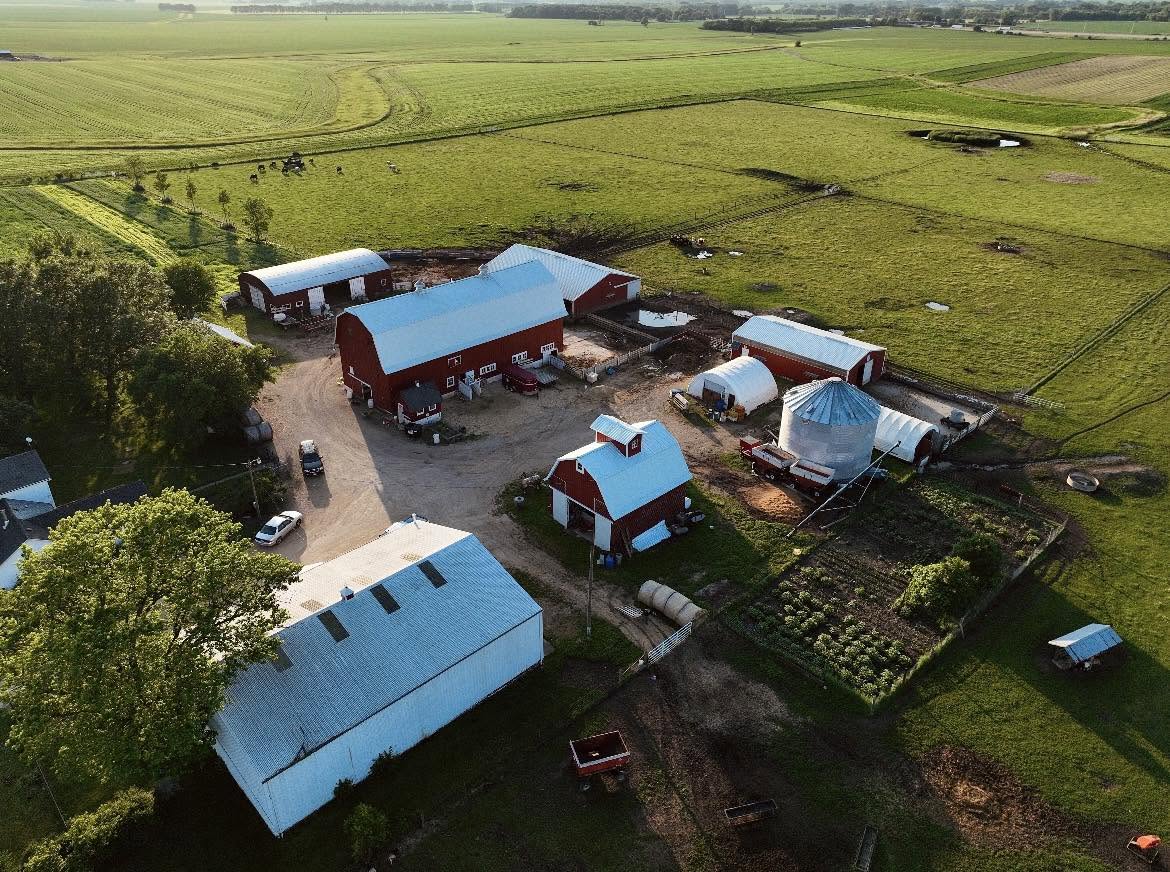
Hasselmann Family Farm
Marengo, IL
Hasselmann Family Farm is a traditional family farm located in Marengo, Illinois, just 60 miles from Chicago. The Hasselmann family has been farming in the Chicago area for over 100 years, starting with Henry Hasselmann's migration from Hanover, Germany, in the late 1800s. Today, under the leadership of Scott Hasselmann, the farm focuses on sustainable and regenerative farming practices, offering pasture-raised meats and eggs to positively impact the community and environment.
Read their story →

Slickrock Leather Works
Fountain Green, Sanpete County
Slickrock Leather Works is dedicated to the art of crafting high-quality, custom leather goods. I've built everything from belts and wallets to saddles. I've been doing leather work for 50 years. Saddle repairs for 30 years and building custom saddles for 25. Visitors are invited to step into the heritage workshop to witness the art of leather crafting come to life. Guests can explore the collection, and discover the dedication and passion behind every custom piece created in the stop I want my work to look good but work better. Our mission is to transform functional leather goods into personal works of art that embody the special bond between the user and their custom piece. Visitors are invited to step into the heritage workshop to witness the art of leather crafting come to life. Guests can explore the collection, and discover the dedication and passion behind every custom piece created in the studio.
Read their story →
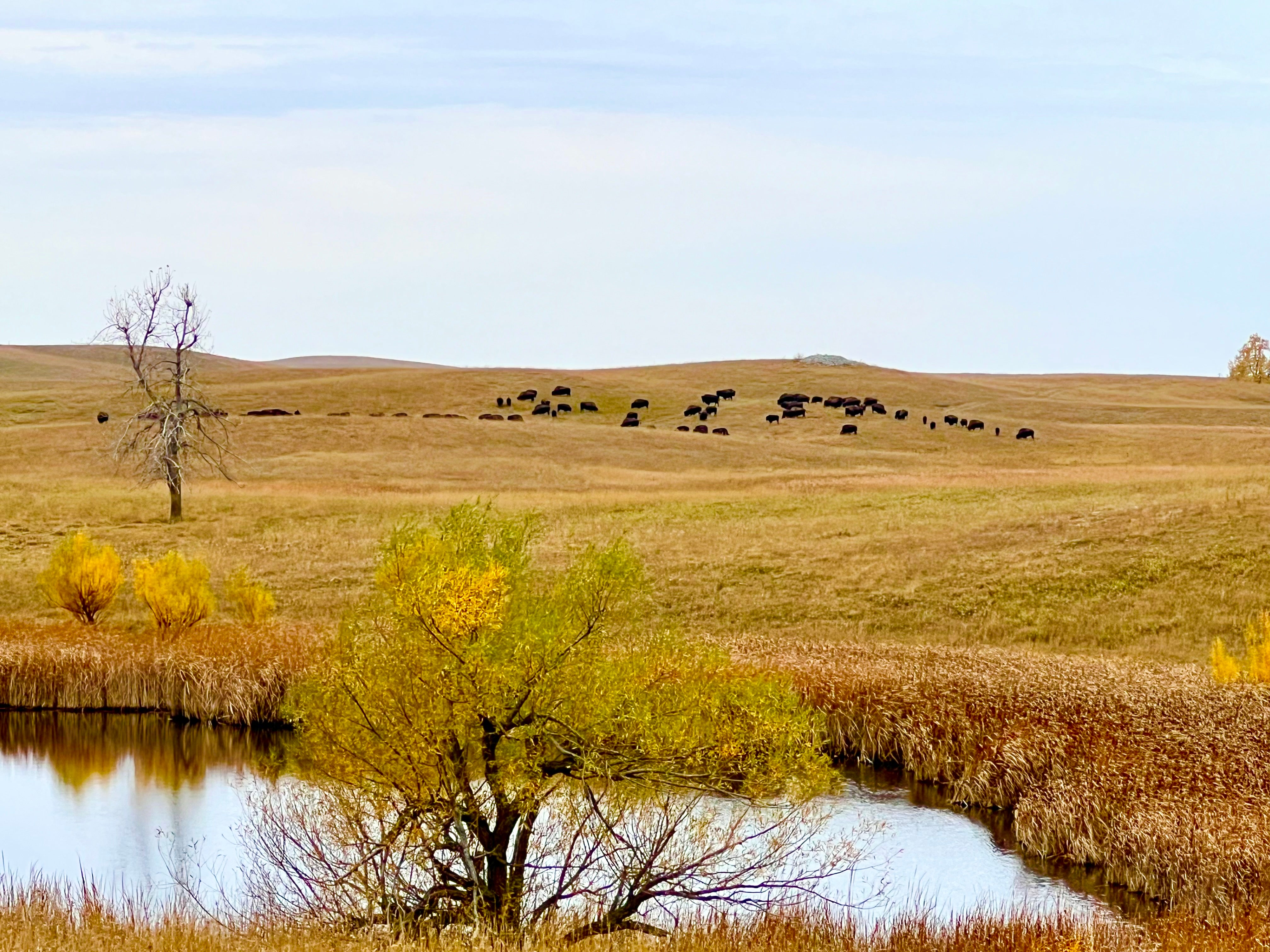
Heritage Bison Ranches
Hinton, Iowa
At Heritage Bison Ranches, we have been practicing holistic, regenerative, and sustainable ranching for over five decades, long before these approaches became widely recognized. Established in 1973, our family ranch celebrated its 50th anniversary in 2023. Our commitment to the land and ecosystem is evident in the thriving wildflowers that dot our bison pastures, reflecting a healthy and balanced environment. Two years ago, Dad came to my husband Lance and I to discuss selling our bison meat online. Lance and I own Bollmeyer Farms, raising corn and soybeans on the farm that Lance was born on. How could we make this work with the herd in South Dakota and us in Iowa, 250 miles away? After many telephone calls, research, meetings in person, and a lot of serious family discussions, we formed Heritage Bison Ranches. The name signifies the uniting of two farms and ranches into one, to bring you the healthiest and best tasting bison meat in the United States. We promise hard work and transparency, along with a lot of prayers and help from the Almighty up above, in hopes we will continue to do so for many years to come. From our Midwest family ranch for the health of yours. Our bison are raised on 2,000 acres of native prairie grasses in the Great Plains. They are grass fed their entire lives, with a finishing diet of ranch raised corn and alfalfa during the last 90 days. Raised on healthy pastures, nourished by natural prairie potholes, and basking in the abundant sunshine of the Great Plains, our bison thrive the way nature intended. They are born, raised, harvested, and packaged entirely on our family ranch.
Read their story →
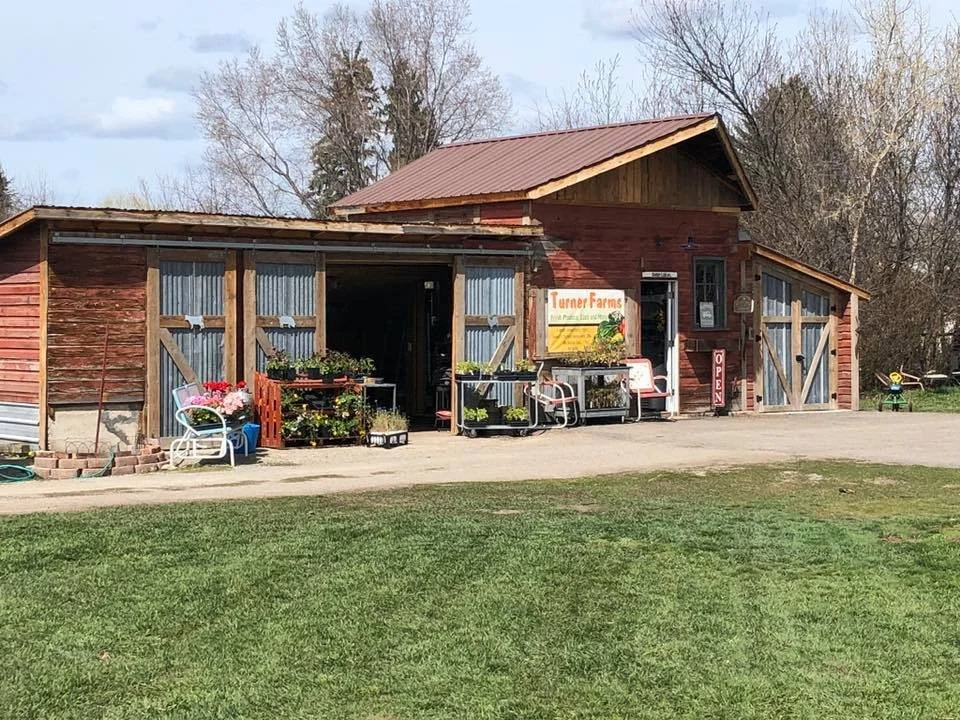
Turner Farms
Missoula, Montana
Turner Farms is a family farm in the Orchard Homes neighborhood of Missoula, Montana, where Jon and Erin Turner grow vegetables and raise meat on about five acres between the Bitterroot and Clark Fork rivers. It began in 2006 as a way to teach their three sons about money, with a produce stand in the front yard. Today it is a farm store, a working farm the public can walk onto, and an October pumpkin sale that pays for the rest of the year.
Read their story →
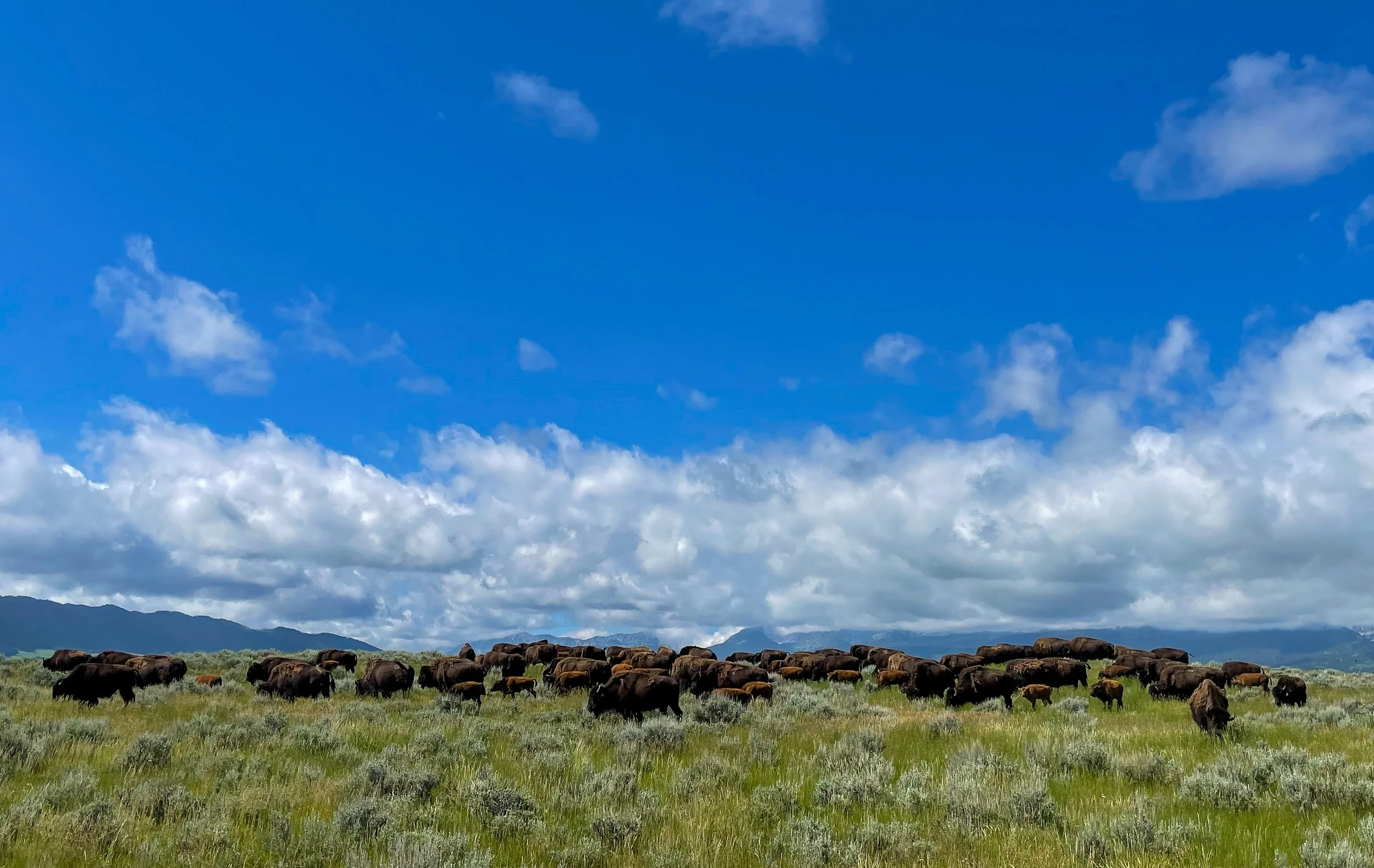
North Bridger Bison
Shields Valley, Montana
Matt Skoglund knew nothing about ranching. He was a lawyer from the Chicago area who spent a decade doing environmental policy work, and the issue he worked on most was bison management. That is how he fell in love with the species. What he fell out of love with was the policy world itself. He wanted something tangible. Something, as he puts it, you could touch, taste and feel. After reading Dan O'Brien's memoir about pioneering the modern field harvest of bison, he got serious. In late 2017 he typed bison ranching consultant into Google, found a man in Bozeman and a holistic management workshop on a bison ranch, and from there a handful of mentors. The rest was reading everything he could find, a million podcasts, and a great deal of trial and error. He and Sarah had already made the harder leap. On their first date she asked where in the world he would live if he could live anywhere. He said southwest Montana. She said Paris. Eighteen years ago, about to be married, they quit their jobs, got married, and moved to Bozeman. Everyone thought they were mad. He calls it the best decision they ever made. The ranch runs to a little over 2,500 acres owned and leased, classic Montana grassland where bison lived for thousands of years before they were pushed to the edge of extinction in the late 1800s. They run it as one herd, year round. They do not wean the calves, and let the mothers do that themselves. Everything is one hundred percent grass fed. The fences are built so that pronghorn can pass underneath and deer, elk and moose can go over. They manage for biodiversity, and they are the first Audubon certified bird friendly bison ranch in Montana. Then there is the harvest, which is the part people seek them out for. Instead of loading animals onto a truck, they drive out to wherever the herd is grazing that day. It is a single shot from ten to fifteen yards with a copper bullet. As ethical and humane as it gets for food, Matt says. He believes most people who find them come for that reason, and for the meat itself. We could have the prettiest bison and the prettiest mountains and great views. But if the meat is not excellent, our business is dead. North Bridger sells by the quarter, half and whole animal, so the smallest order is eighty to ninety pounds of meat. Matt emails every customer to thank them and give a rough timeline. After a field harvest he photographs it, nothing gory, and sends the photographs out with an update. He emails again when the meat is ready. About half their customers are in Montana and the rest are scattered across the country, and a good number have become friends who text him photographs of what is on their grill. Business advisers tell him this is madness. He is unmoved. Someone spending two thousand dollars to fill their freezer with our bison meat, I feel like I owe it to them to communicate transparently.
Read their story →
THE MARKET
Fresh from our Partners
Fresh from local partners and small-scale producers
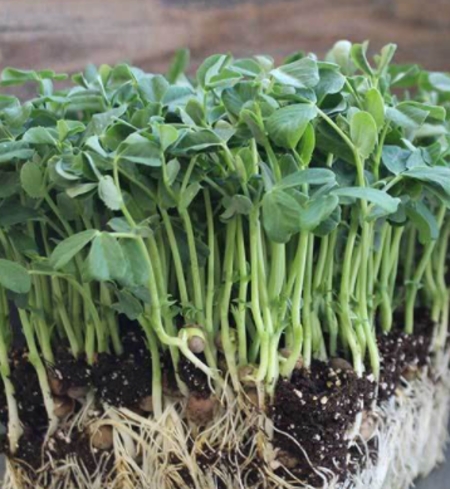
Microgreens, Pea Shoots
Jacobson Family Farms
$5.00
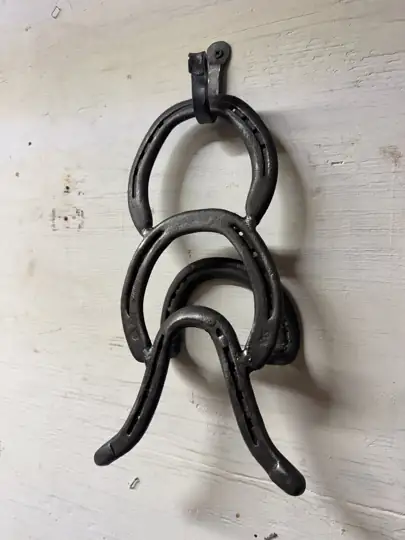
Horseshoe Boot Jack
Ranch Route
$66.00

Plain Unsweetened Yogurt
Hasselmann Family Farm
$7.99
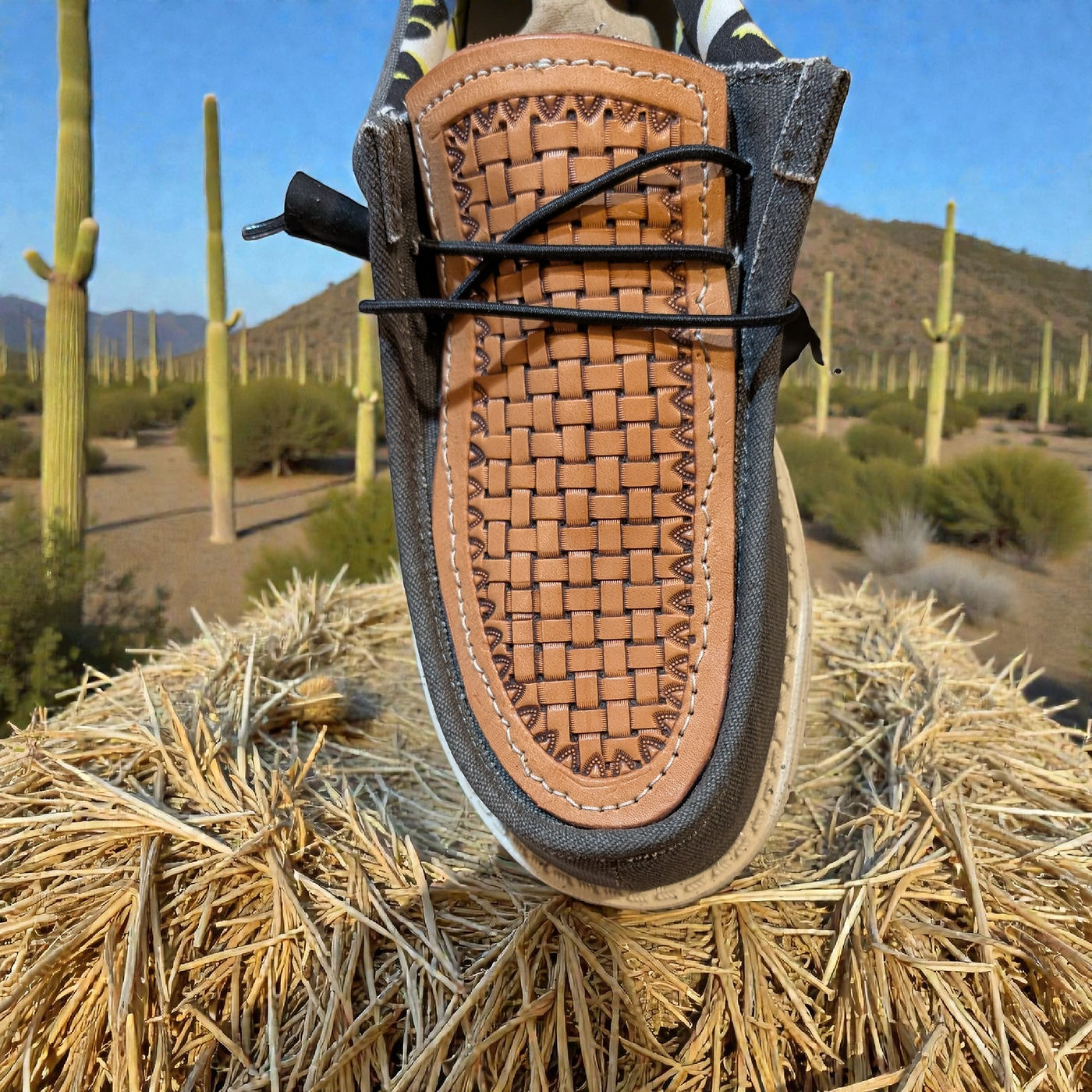
Chink Chaps
Slickrock Leather Works
$475.00
Honey Bee Beeswax Candle
Honey Lake Bee Company

Full Service Boarding - Little Barn
Timmermann's Ranch & Saddle Shop
$935.00
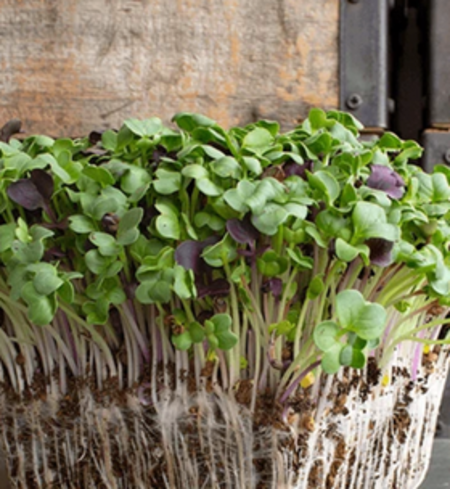
Microgreen Mix, Radish Medley
Jacobson Family Farms
$10.00
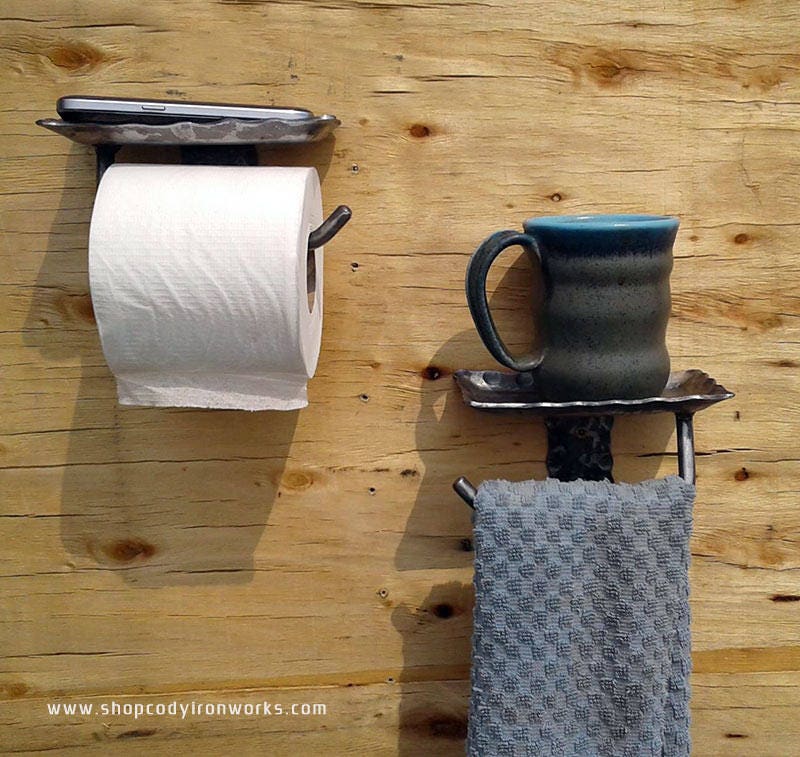
Towel and Paper Holder with Shelf
Ranch Route
$60.50

Ground Pork
Hasselmann Family Farm
$8.27
Leather Cantel Bag
Slickrock Leather Works
$125.00

Beeswax Bar Premium Beeswax 15oz Bar Free Shipping
Honey Lake Bee Company

Gift Certificates
Timmermann's Ranch & Saddle Shop
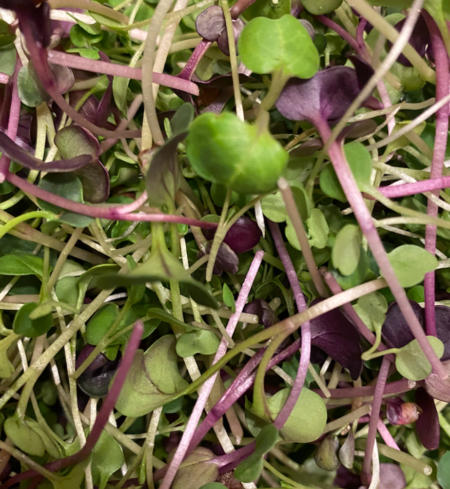
Microgreens Mix, Spicy
Jacobson Family Farms
$11.00
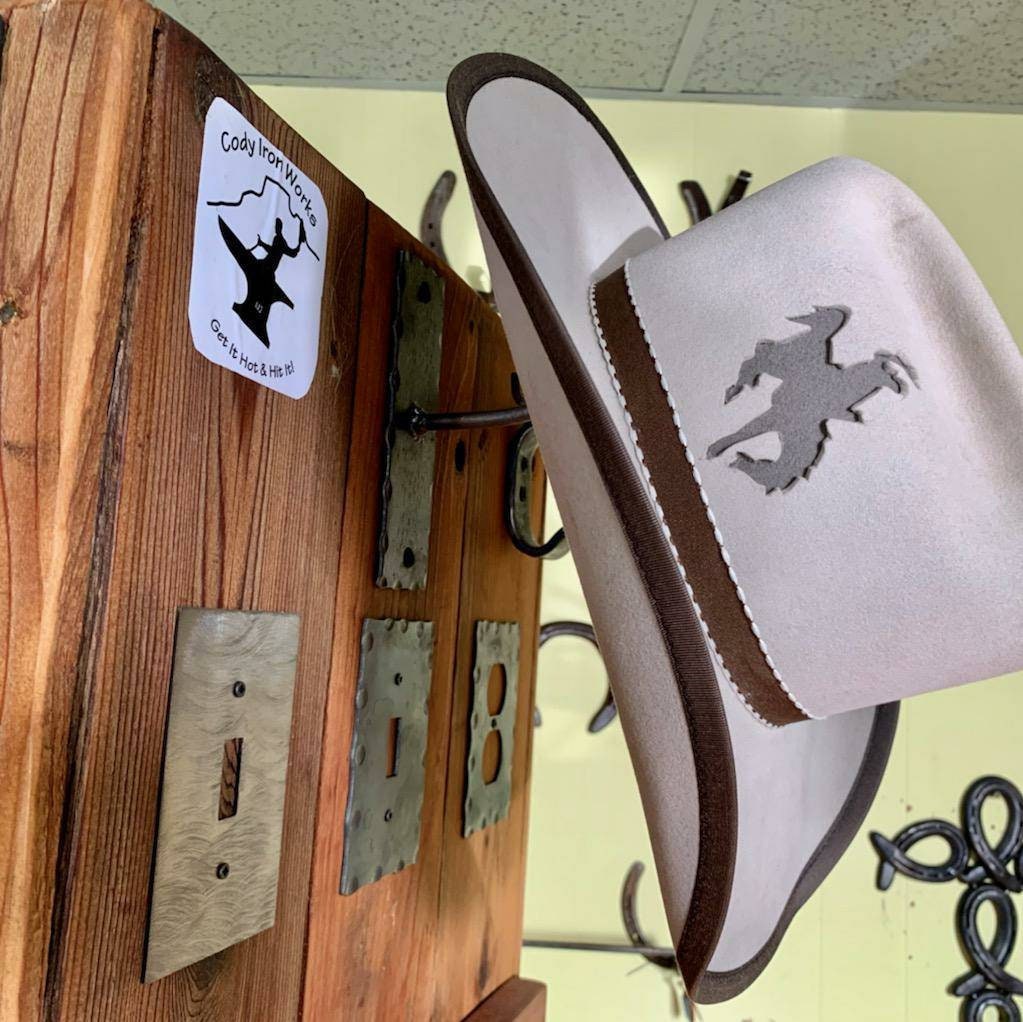
Western Hat Rack
Ranch Route
$44.00
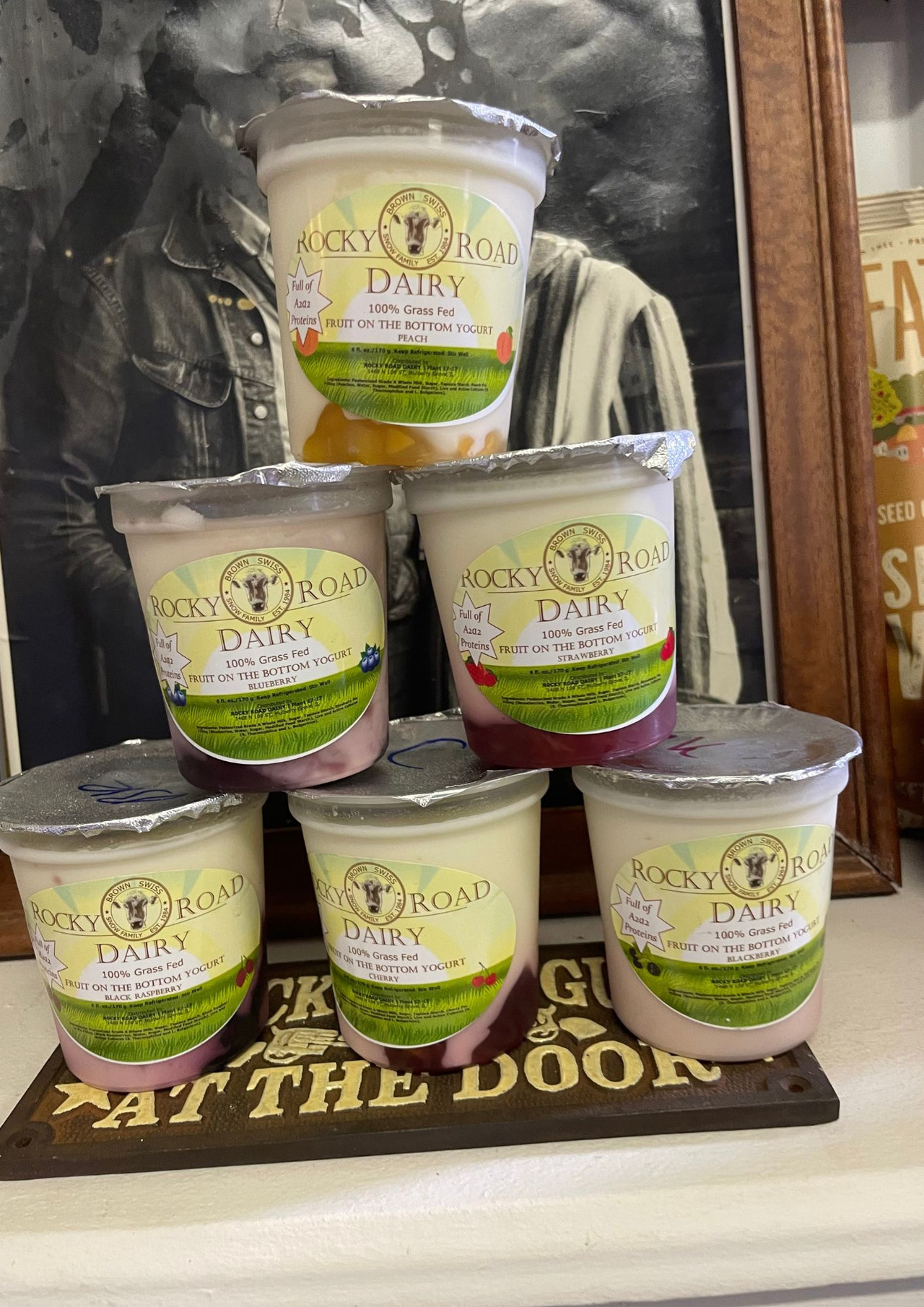
Small Yogurt Cups 6x
Hasselmann Family Farm
$15.90

Roper Wallet
Slickrock Leather Works
$85.00

Spanish Glass Candle Large - Natural, Eucalyptus or Lavendar
Honey Lake Bee Company
Pick-up and return delivery services
Timmermann's Ranch & Saddle Shop
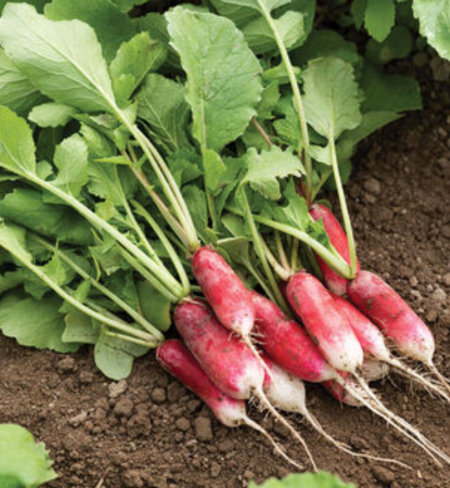
Radish, French Breakfast
Jacobson Family Farms
$4.00
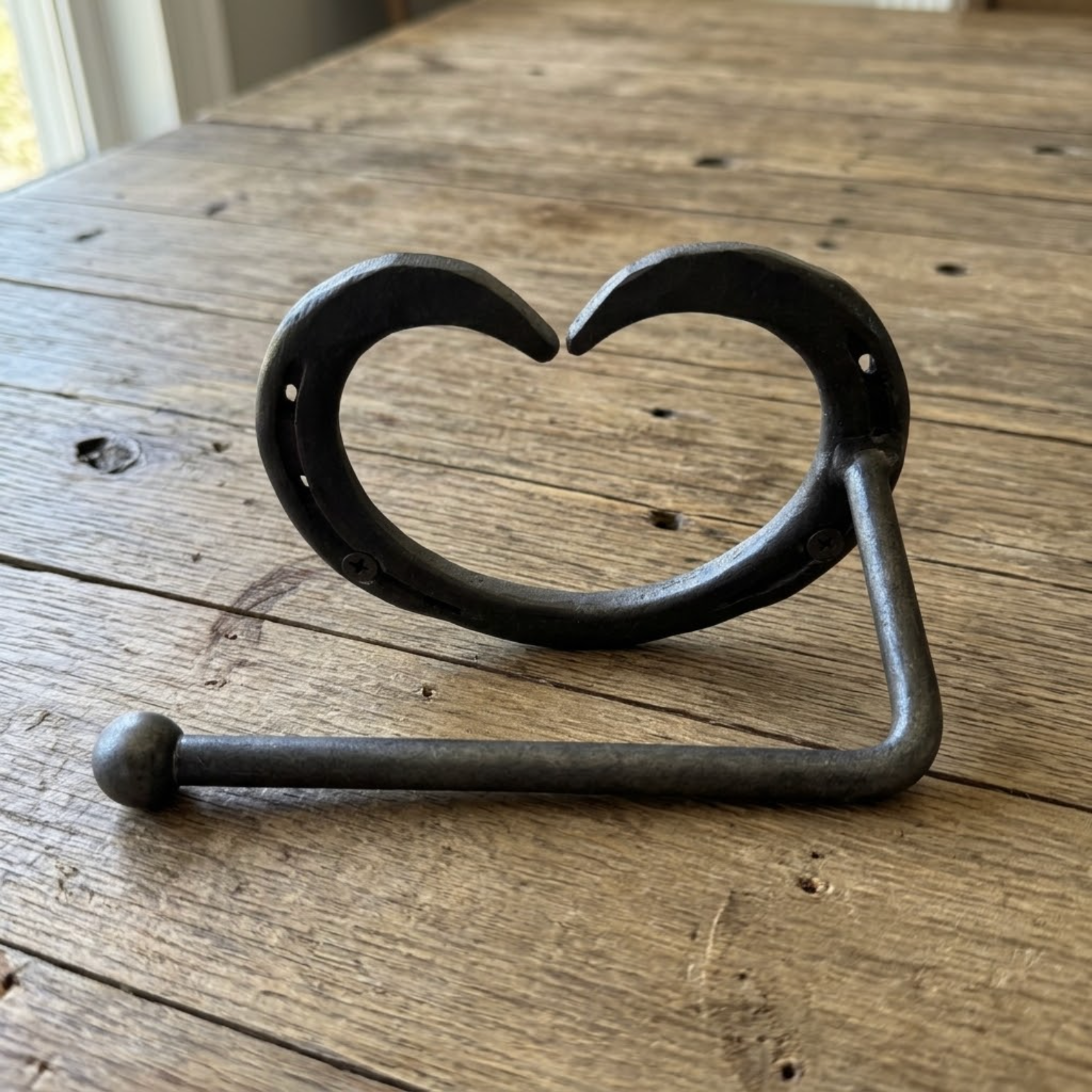
Horseshoe Heart Towel Holder
Ranch Route
$70.00
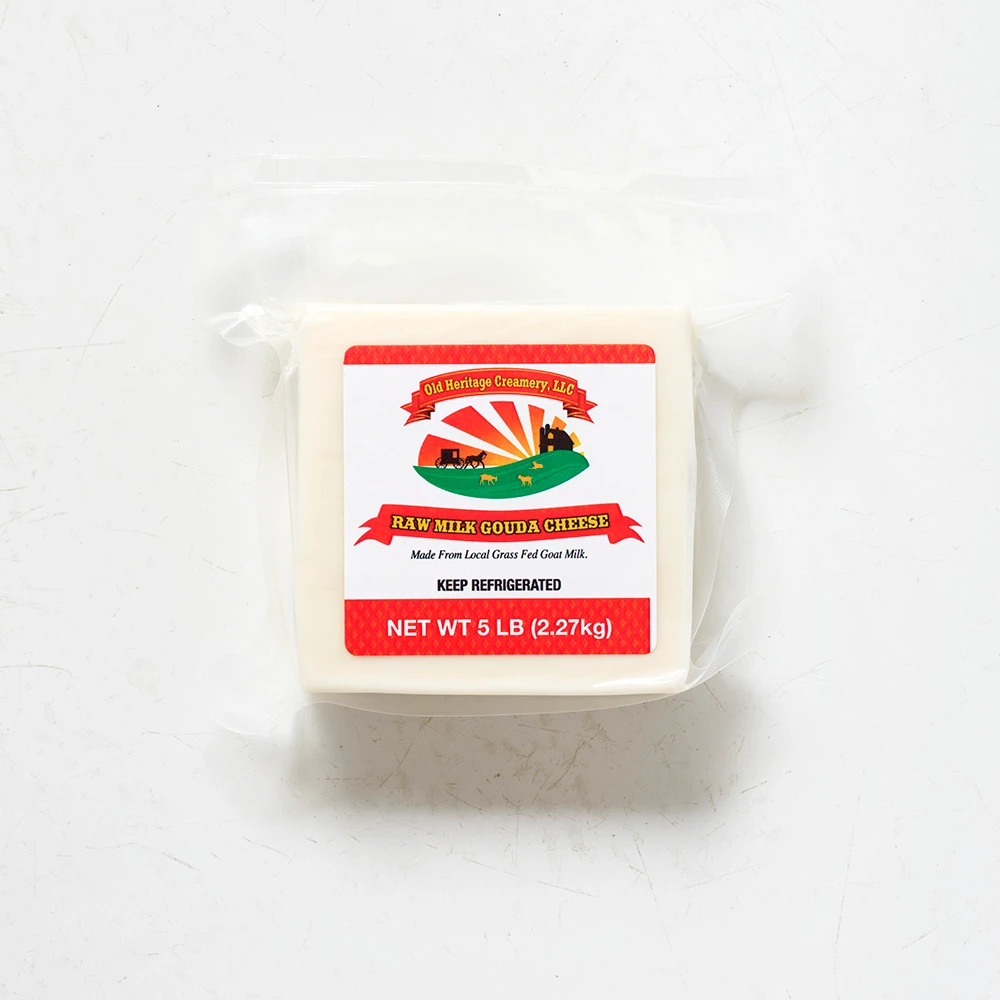
Raw Milk Gouda Goat Cheese
Hasselmann Family Farm
$10.10
Hey Dude (Mens)
Slickrock Leather Works
$125.00
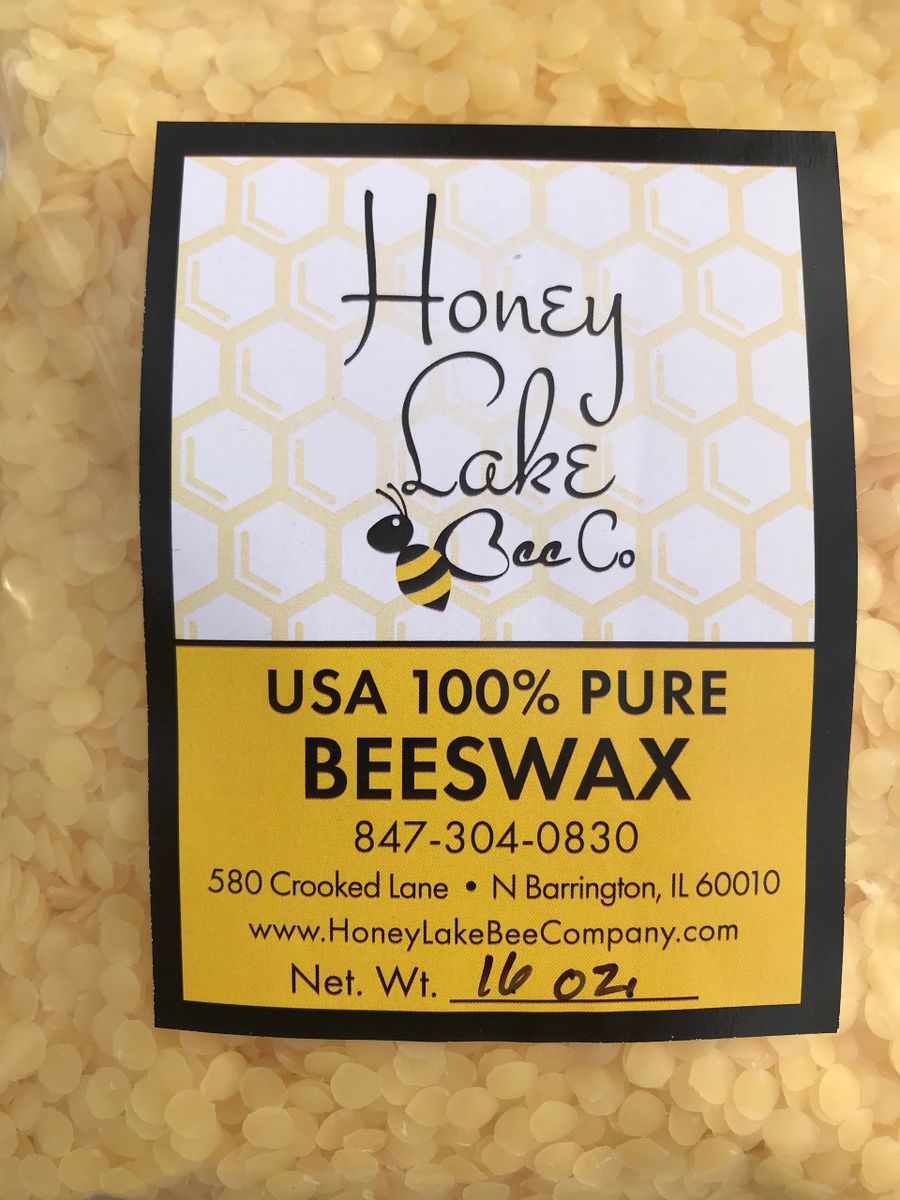
Beeswax Pellets Triple Filtered Cosmetic Grade Usa Beeswax Yellow
Honey Lake Bee Company
Horseshoeing
Timmermann's Ranch & Saddle Shop
THE RANCH ROUTE DIFFERENCE
Why Ride with Ranch Route
More than a marketplace, a movement back to real connection and honest goods
Stories That Matter
We bring awareness to the farms, ranches, and artisans behind the work, sharing their stories, their craft, and the people who make it all happen.
Direct Connection
We connect you directly with the people behind your food and goods, making it easy to discover, support, and build real relationships with the farms and ranches you trust.
Building a Community
Ranch Route is building a community rooted in authenticity, hard work, and trust, bringing together those who believe in supporting real producers and the values they stand for.